


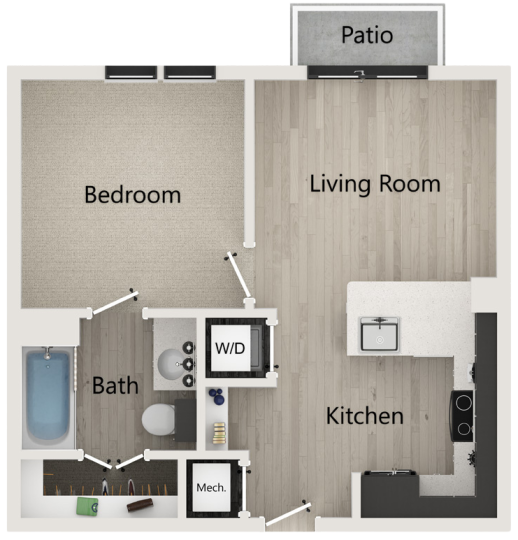
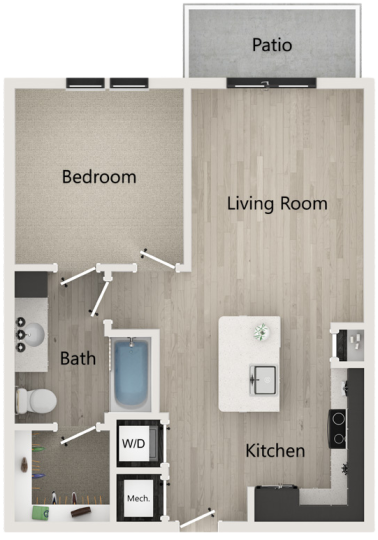
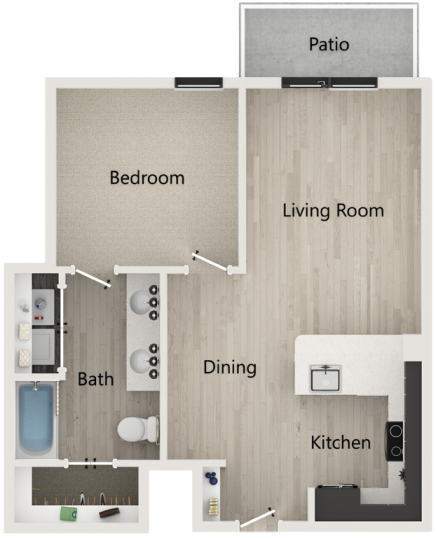
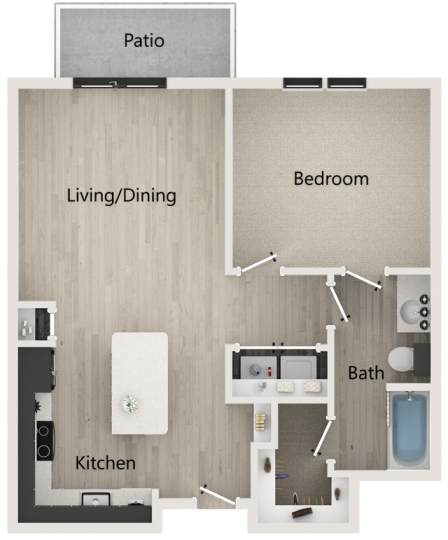
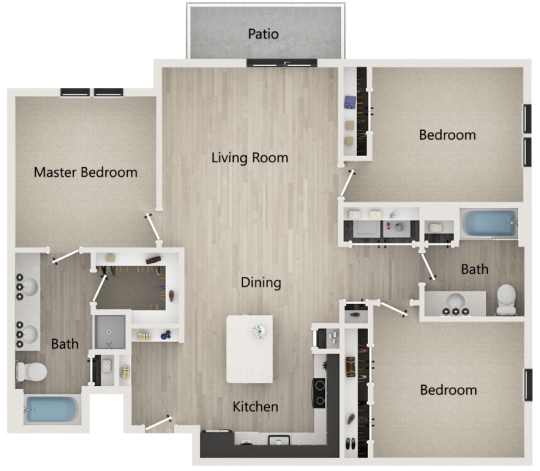
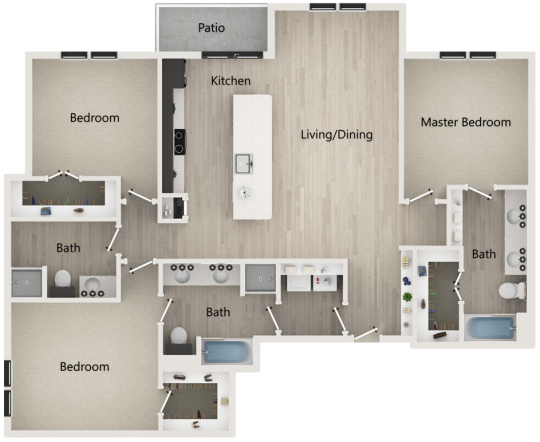
Yes, living at The Conley can make Leander Metro Rail Park a practical option for some renters. The property states that it is less than 2 miles from Leander Metro Rail Park, which puts the station in the category of a nearby destination rather than a long cross-town trip.
That said, “can I use it” is really a question about routine, not just proximity. If you expect to ride CapMetro rail regularly, the better test is whether the station works for your schedule, how you plan to get there, and whether your household needs parking, bike access, or a flexible backup when transit is delayed or not running when you need it.
What Leander Metro Rail Park is, and why nearby housing matters
Leander Metro Rail Park is the northern end of CapMetro’s MetroRail Red Line. For renters, that matters because it is not just a landmark or green space, it is a transit access point that connects Leander to destinations farther south, including station stops through Cedar Park, North Austin, East Austin, and downtown Austin.
Because it is the end-of-line station, many riders use Leander as their boarding point rather than transferring into it from somewhere else. That setup can be useful if you want a repeatable park-and-ride or drop-off routine, but it also means you should evaluate the station as part of your full commute, not as a stand-alone amenity.
The key advantage of living near the station is optionality. A nearby home can make it easier to choose rail on workdays, event days, or downtown trips when driving and parking in Austin are less appealing. Even if you do not ride every day, being close enough to consider transit at all can widen your transportation choices.
For a renter at The Conley, the main relevant property fact is simple: the community identifies Leander Metro Rail Park as less than 2 miles away. That is close enough that many residents would at least want to test the trip in real conditions before signing a lease, especially if rail access is one of the reasons they are considering this part of Leander.
How to decide whether the station is practical from The Conley
Start by separating occasional use from daily dependence. If you only expect to use the station for some downtown trips, weekend outings, or a few commute days each month, a nearby station can be a meaningful convenience even if the trip from home to platform is not seamless. If you plan to rely on rail every workday, the details matter much more.
Next, test your likely first-mile plan. Some renters drive to the station, some get dropped off, and some look for a bike or walk option. Before making a housing decision, map the route from 665 North Bagdad Road to the station at the same times you would actually travel, then check whether intersections, sidewalks, lighting, bike conditions, and station access feel workable for you.
Schedule fit is just as important as location. MetroRail operates on a fixed timetable rather than on-demand frequency, so the question is not only whether the station is close, but whether train times line up with your job, classes, or return trip. Verify current weekday, evening, and weekend service directly with CapMetro before you depend on it.
It also helps to pressure-test the backup plan. If you miss a train, service is disrupted, or you need to be somewhere outside rail hours, you will want to know whether driving the full way, using a rideshare, or shifting to another route still works from this address. A nearby station is most useful when it adds flexibility rather than becoming a single point of failure in your routine.
Questions to verify before you choose an apartment for rail access
If transit access is one of your top priorities, do an in-person trial rather than relying only on a map. Visit the station, check the boarding environment, and make the trip from The Conley to the station the way you expect to do it most often. A route that looks easy online can feel very different in summer heat, in the dark, or while carrying a work bag.
If you expect to drive to the station, confirm current station parking conditions, posted rules, and any rider guidance directly with CapMetro. Park-and-ride lots can be a major advantage, but the details that affect daily use, such as lot layout, demand, or any changes to access, should be verified with the transit agency rather than assumed.
Think about household logistics too. If one person in the home rides rail and another drives elsewhere, the apartment’s own parking setup may matter as much as station access. The Conley notes that detached garages are available, and its parking policies are managed on site, but current availability, pricing, and the best setup for your household should be confirmed with the leasing team.
Finally, ask yourself what “near the station” needs to mean for your life. For some renters, less than 2 miles is close enough to make rail genuinely useful. For others, especially those with very early start times, mobility needs, children, or tight transfer windows, only a highly predictable first-mile trip will do. If you are considering The Conley because of Leander Metro Rail Park, the best next step is to tour the community and then make a real station run before you decide.